

How To Install Adb And Fastboot
Android is the virtually popular mobile operating system out in that location with over 70 percent market share globally. Under the hood, it uses a modified version of the Linux kernel for all its core system services. Being open-source, Android also permits you lot to tinker with the software of your phone.
ADB and fastboot are tools that unlock elevated access to the Android system by connecting your phone to a desktop estimator. Here'south everything you need to know nigh using ADB and fastboot on Linux machines.
What Are ADB and Fastboot?
Past default, several inherent features of the Android operating system are abstracted from the average user and require a special method to access them. Android Debug Bridge, or ADB, is a command-line tool that allows you to communicate and run commands on your Android phone via your computer.
Before you can showtime using ADB, you will first need to enable USB debugging on your phone. One time done, you can now relish elevated access to your phone's software and run various ADB commands for installing packages, rebooting your telephone, capturing phone screenshots via desktop, and more.
Fastboot is also a command-line tool that comes congenital-in with the Android SDK and is primarily used to change the flash filesystem on your phone via a USB connectedness from a host figurer. This is particularly useful for rooting your Android device or flashing a custom ROM or custom recovery.
Proceed with caution while using the fastboot tool since the deportment are irreversible and can even potentially brick your phone if y'all enter the wrong commands. Although the chances of that happening are minute, information technology never hurts to keep your data backed upward on the deject or external storage as a safety precaution.
Installing ADB and Fastboot on Linux
To go started with installing these tools on a Linux machine, visit the Android SDK Platform Tools release page and scroll down to the Downloads department. Click on the Download SDK Platform-Tools for Linux link to download the latest version of ADB and fastboot as a ZIP file.
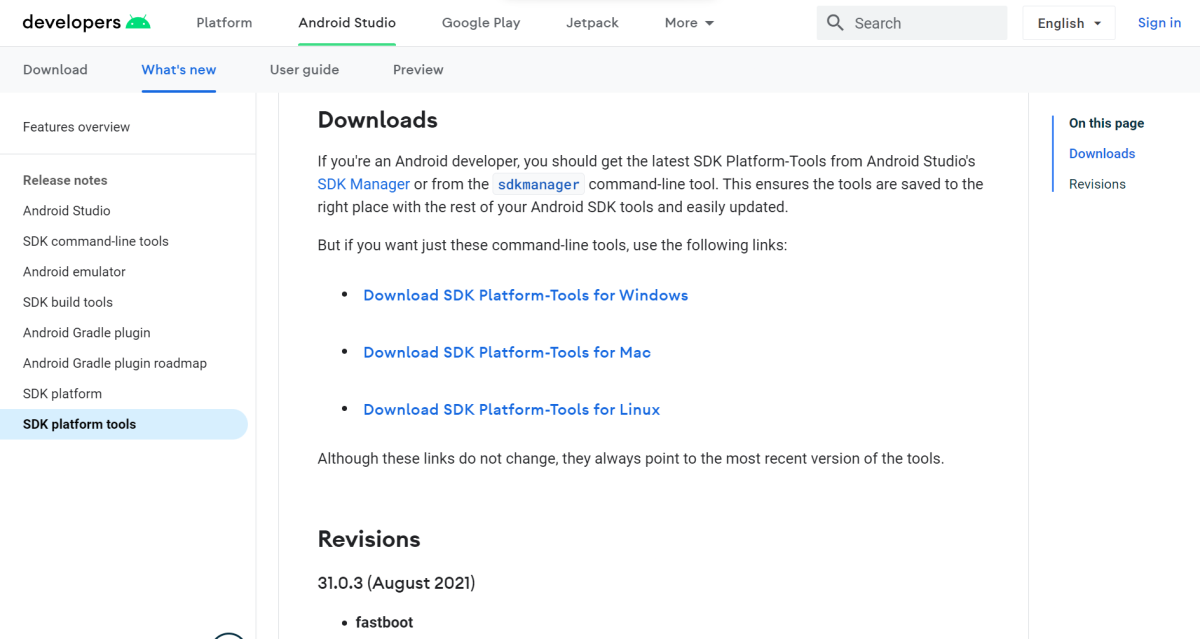
Extract the downloaded Zippo file to a desired location and open a new terminal example inside the platform-tools folder. This binder will contain the adb and the fastboot file alongside various other tools that are a part of the Android SDK.
To employ ADB, run this command after connecting your telephone to the laptop and enabling USB debugging:
./adb devices 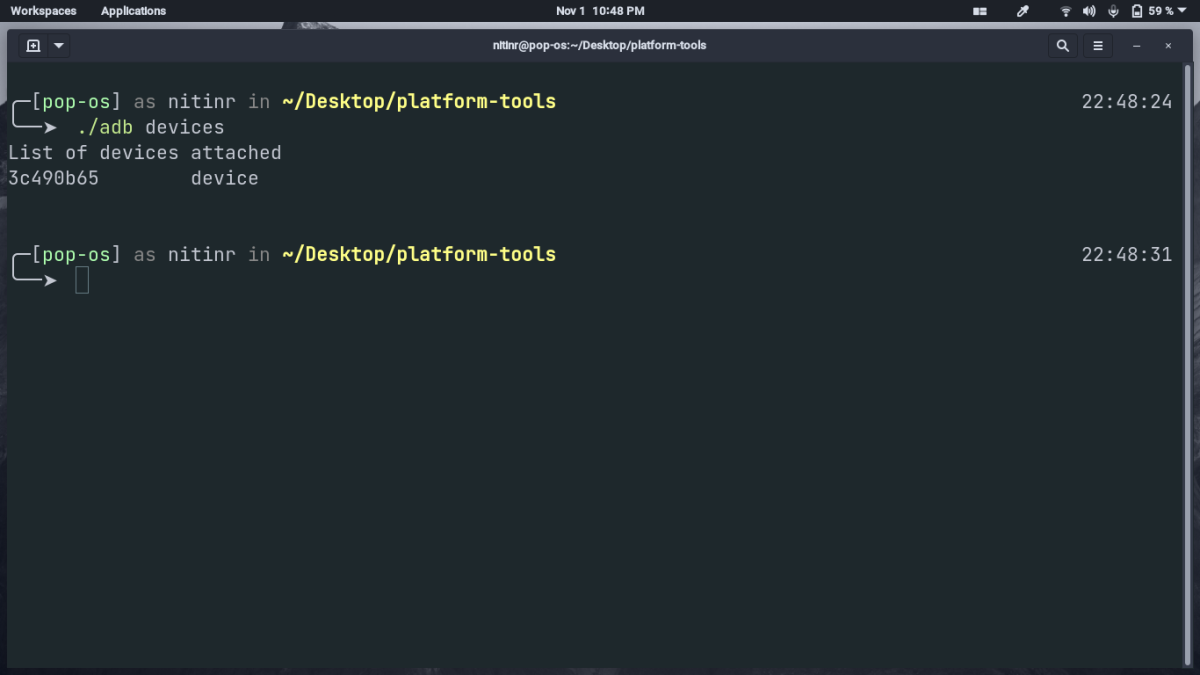
If your phone is successfully detected, the output volition display an alphanumeric code with device written next to information technology. If not, make sure that you let whatever prompts on your telephone to authorize your laptop for USB debugging permissions.
To boot into the fastboot or bootloader mode on your phone, run the following ADB command:
./adb reboot bootloader In one case in fastboot mode, you can check if your phone is successfully detected on your desktop with this command:
./fastboot devices 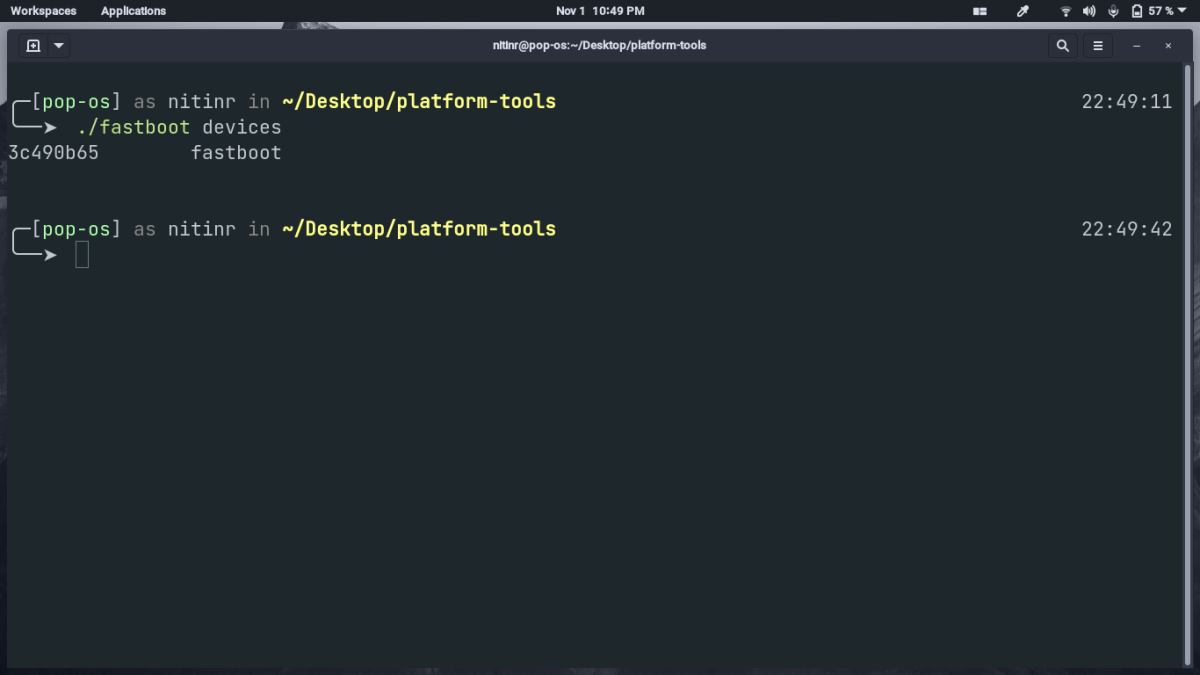
Similar to the output generated by the adb devices command, the fastboot devices command should also display an alphanumeric code to indicate that your phone has been detected. Now you tin can perform all the fastboot operations such as flash, boot, oem unlock, format, and more.
To boot back into the Android operating system from fastboot mode, issue the post-obit control:
./fastboot reboot Become an Android Power User With ADB and Fastboot
ADB and fastboot are powerful tools that can help you manage and debug the existing software on your telephone or change it altogether. With ADB privileges, some applications likewise provide extra features that aren't available without rooting your device.
However, you might not always take a USB cable lying around to connect your telephone to your computer. Judge what, yous tin also set up and use ADB wirelessly.
About The Author


Source: https://www.makeuseof.com/how-to-install-adb-and-fastboot-on-linux/
Posted by: gagnonanniand.blogspot.com
0 Response to "How To Install Adb And Fastboot"
Post a Comment